
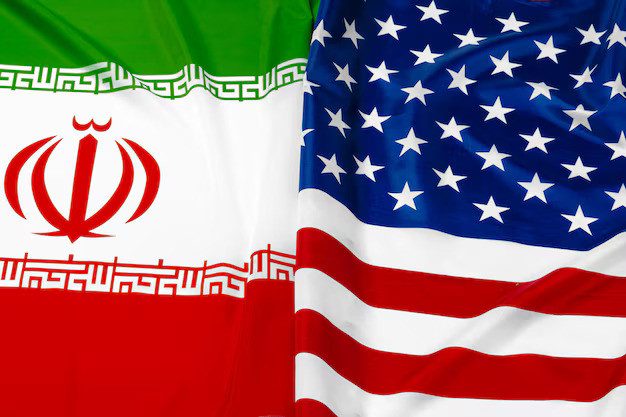
The United States and Iran have brokered a peace agreement intended to bring an end to almost four months of ongoing conflict in the Middle East. Officials from both nations confirmed the accord, which mandates an immediate cessation of military activities across all areas of conflict, including Lebanon. U.S. President Donald Trump stated that as part of the agreement, the Strait of Hormuz—a vital artery for global shipping—will be reopened. This development is anticipated to resume international oil shipments and alleviate the strain on global energy markets. Nevertheless, the exact timeline for fully restoring access to this crucial waterway remains uncertain due to varying statements from both parties.
The agreement outlines plans for a formal signing ceremony scheduled to occur in Geneva on June 19. As part of the terms, U.S. naval restrictions will be lifted, and measures will be implemented to resume commercial shipping through the Strait of Hormuz. This peace framework is also set to enable Iran to regain access to international oil markets, providing much-needed economic relief. Meanwhile, more intricate issues, such as Iran’s nuclear program, are slated for discussion within a 60-day negotiation period to achieve a more comprehensive agreement.
The peace announcement arrives amid heightened tensions in Lebanon, which have been exacerbated by Israeli military actions that raised concerns regarding the stability of the negotiations. Iran had emphasized that any agreement must encompass all regional disputes, including the conflict involving Hezbollah in Lebanon. This insistence was a key factor in shaping the broad scope of the current accord.
While the agreement has been hailed as a significant diplomatic achievement, experts remain cautious about the likelihood of resolving deep-seated disputes within the proposed timeframe. Questions linger over regional security challenges, particularly regarding Iran’s missile program and its support for allied groups across the Middle East. These issues continue to pose potential hurdles to long-term peace and stability in the region.
The anticipated reopening of the Strait of Hormuz is projected to provide a boost to global energy markets. However, specialists warn that it may take several months to fully restore normal shipping operations and repair infrastructure that has been damaged by the conflict. The path to reestablishing stable and secure maritime passage promises to be complex, requiring coordinated international efforts and sustained diplomatic engagement.