
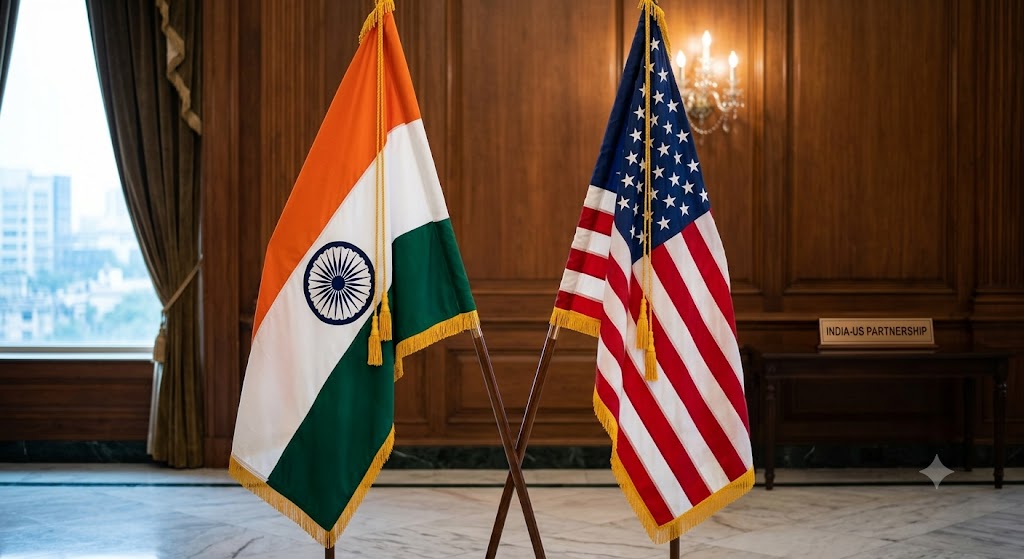
The United States and India have resumed their efforts to finalize a temporary trade agreement, as both nations aim to resolve critical differences ahead of an impending tariff deadline. The latest round of talks has centered on eliminating the remaining barriers to achieving a bilateral trade deal. Officials from both countries have expressed a positive outlook, indicating that only a handful of issues remain unresolved after several months of negotiations.
Initially, the trade discussions were launched with the ambitious goal of expanding bilateral trade beyond $500 billion by the year 2030. However, the negotiations hit a roadblock when the US imposed new tariffs on Indian goods, significantly raising duties on certain products. Although a previous framework had suggested reducing tariffs on Indian exports, its implementation was hindered by legal challenges within the United States.
The proposed trade agreement envisions India lowering tariffs on selected US industrial and agricultural products, while the US, in turn, would reduce duties on Indian goods. Despite these planned concessions, sensitive sectors such as dairy, wheat, rice, and poultry remain safeguarded due to domestic concerns in both countries.
Agriculture has emerged as a prominent sticking point, as the US seeks to secure greater access for its farm exports to the Indian market. However, India has maintained a cautious stance, driven by concerns about the impact on local farmers and existing food regulations.
Reaching a successful agreement could potentially enhance trade relations between the two countries, bolster India’s competitive edge against other exporters, and further the shared objective of strengthening economic ties. The ongoing discussions reflect a concerted effort by both nations to address their differences and pave the way for expanded bilateral trade.