
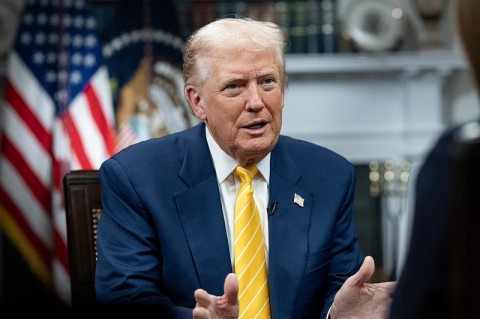
In a recent announcement, former U.S. President Donald Trump confirmed that an additional 5,000 American troops would be stationed in Poland. This decision, he noted, was influenced by his rapport with Polish President Karol Nawrocki. The Polish leader has expressed strong support for the move, highlighting the significance of U.S. military presence as a cornerstone of Poland’s security and its strategic ties with the United States.
The deployment has sparked discussions about the potential implications of military positioning within NATO being swayed by personal political connections rather than being guided by overarching alliance strategies and shared security goals. Some critics have voiced concerns that such an approach could erode trust in NATO’s commitments, introducing uncertainty among allied nations about the consistency of future U.S. defense policies.
This development has also rekindled conversations in Europe over the necessity of bolstering independent defense mechanisms and lessening dependency on American military support. The presence of U.S. troops in Poland is seen against the backdrop of ongoing tensions with Russia, regional security worries in Eastern Europe, and wider deliberations regarding NATO’s evolving role and military framework.
As this move is evaluated, questions about the balance between personal diplomatic relationships and collective military strategies within NATO continue to surface. The debate centers on ensuring that troop deployments are aligned with long-term strategic objectives rather than short-term political affinities.
The strategic realignment comes at a time of heightened focus on NATO’s future, with member nations examining how to navigate emerging threats while maintaining unity and effectiveness as a collective defense organization. The decision to reinforce military presence in Poland underscores the ongoing complexity of securing peace and stability in the region.