
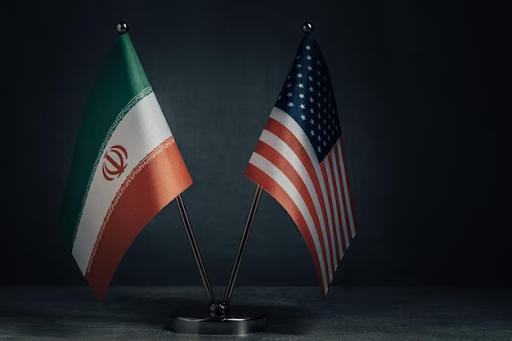
The announcement that a third round of Iran-US nuclear talks would take place in roughly two weeks — after both sides exchanged draft texts — elevated the stakes of the diplomatic process following Tuesday’s session in Geneva. For two countries with a long history of failed negotiations, the commitment to a structured text exchange and a follow-up meeting represents meaningful momentum.
Foreign Minister Araghchi described the second round as more constructive than the first and confirmed the procedural path forward. He acknowledged that significant gaps remained between the two sides but expressed measured confidence that the process was moving in the right direction — toward a deal, however uncertain and distant that outcome might still be.
The nuclear issues under discussion remained those that have defined Iran-US diplomacy for years. Iran’s offer centered on diluting its near-weapons-grade uranium, expanding IAEA access, and potentially suspending enrichment temporarily. The US continued to press for a complete halt to domestic enrichment — the central unresolved disagreement that has bedeviled nuclear talks since the collapse of the 2015 JCPOA.
The Iranian proposal also included broader diplomatic incentives: a non-aggression pact with Washington, an economic cooperation package, and — potentially — an extension of the non-aggression framework to include Israel. These broader elements reflected Tehran’s interest in using the nuclear talks as a gateway to a wider normalization of its international relationships.
The regional and domestic backdrop remained turbulent, with US warships in the Gulf, Khamenei’s military threats, Iranian naval exercises in the Strait of Hormuz, and the ongoing mass prosecution of protesters at home. Yet the talks continued, and the commitment to a third round suggested that both sides saw enough value in the process to keep pressing forward despite all the noise and pressure surrounding them.