
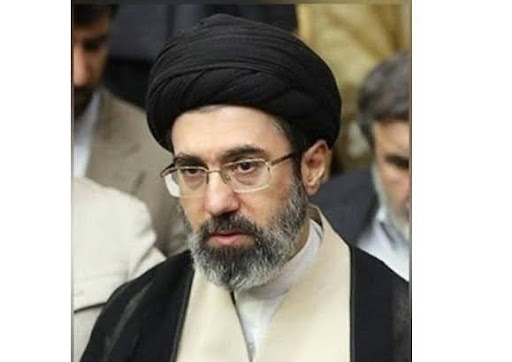
The breadth of support that greeted Mojtaba Khamenei’s appointment as Iran’s new supreme leader on Sunday was striking in both its scope and its speed. The IRGC, armed forces, parliament’s speaker, and senior security officials all issued formal declarations of loyalty within hours of the Assembly of Experts’ announcement. The Houthi rebels in Yemen offered international endorsement. Iranian state media presented a comprehensive picture of national unity. For a regime under active military assault, the display of consolidated institutional support was both politically necessary and carefully managed.
Mojtaba Khamenei, 56, succeeds his father Ayatollah Ali Khamenei, who was assassinated in a US-Israeli strike on Tehran on February 28. The new supreme leader has no formal background in government administration, having operated throughout his career as an informal power broker within the regime. His theological training in Qom and his deep relationships with IRGC commanders and conservative clerics provided the foundation for a leadership profile that the Assembly of Experts found persuasive.
Senior security official Ali Larijani explicitly praised Mojtaba’s capacity to lead Iran through what he described as sensitive current conditions. Parliament’s speaker went further, describing support for the new leader as a religious and national duty — framing the appointment not merely as a political decision but as a matter of faith and patriotism. The IRGC’s declaration of readiness to follow Mojtaba’s commands was particularly significant given the guards’ central role in both the military conflict and Iran’s broader strategic posture.
The external environment added urgency to every endorsement. Israel launched fresh strikes on Iranian infrastructure on Monday. Iran attacked five Gulf states simultaneously, killing civilians in Saudi Arabia and damaging critical infrastructure in Bahrain. The IRGC threatened to push oil prices above $200 per barrel. The United States pledged not to target Iranian energy sites. Trump warned about Mojtaba’s prospects, though without specifying the nature of American pressure to come.
The broad support Mojtaba Khamenei has received from Iran’s military and political establishment gives him a stronger foundation than many newly appointed leaders enjoy. But institutional backing is a necessary, not sufficient, condition for effective leadership. Translating those endorsements into coherent strategic decision-making during one of the most complex and dangerous moments in the Islamic Republic’s history will require qualities that no endorsement can bestow — and that only time will reveal.