
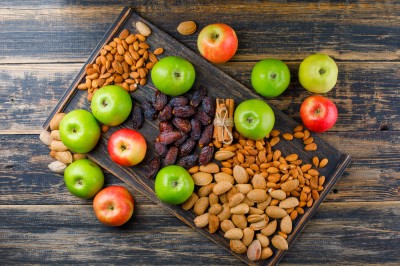
Deciding between fresh fruits and dried fruits can be made easier by understanding the distinct benefits each type offers. Both varieties are rich in essential nutrients and contribute positively to health, yet the ideal choice often depends on individual dietary needs, lifestyle, and portion considerations. Incorporating a balanced mix of both fresh and dried fruits into daily meals can significantly enhance overall health and wellness.
Fresh fruits are a natural source of hydration, as they are high in water content. Alongside this, they are packed with vitamin C, antioxidants, potassium, and dietary fiber. Their water-rich nature makes them particularly beneficial during warmer seasons, aiding hydration and providing a refreshing, low-calorie snack option. The nutrients in fresh fruits support key health aspects such as digestion, heart health, weight management, and gut health.
On the other hand, dried fruits are produced by removing most of the water content from fresh fruits, resulting in nutrient concentration within smaller portions. They are abundant in minerals like iron, calcium, and magnesium, and also contain fiber and antioxidants. Nuts such as almonds and walnuts, which fall under the dried fruits category, are noted for their healthy fats and plant-based protein, making them excellent for sustained energy and overall health improvement.
The primary difference between fresh and dried fruits lies in their water content. Fresh fruits, with their high water content, are lower in calories per serving. In contrast, dried fruits are more calorie-dense due to the concentration of nutrients and natural sugars that occurs during the drying process, making portion control essential. Fresh fruits are particularly suitable for breakfast, mid-morning snacks, or pre-workout meals due to their natural energy and hydration benefits. Meanwhile, dried fruits are convenient for quick energy boosts, especially before or after physical activity, and can keep hunger at bay for extended periods. Experts suggest limiting dried fruit consumption to about 30 grams daily to prevent excess calorie intake.
The preparation of dried fruits involves methods such as sun drying, air drying, using dehydrators, oven drying, freeze drying, and vacuum drying. These techniques are designed to preserve the nutritional value of the fruits while extending their shelf life. In summary, fresh fruits are ideal for hydration and regular snacking, while dried fruits serve as a practical option for quick energy and nutrient-dense snacks. Consuming both types in moderation can provide a well-rounded mix of vitamins, minerals, fiber, and antioxidants, thereby supporting a healthy lifestyle.