
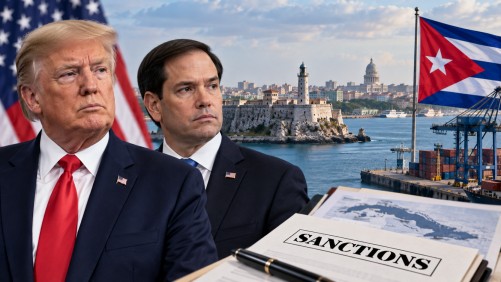
As the United States intensifies sanctions against Cuba, a shifting economic landscape is creating new opportunities for American investors and businesses. The tightening measures, significantly expanded under the Trump administration, have led several foreign companies to reconsider their operations on the island, particularly affecting critical sectors such as mining, tourism, and banking.
The mining sector, a cornerstone of Cuba’s economy, has caught the attention of U.S. investors. Canadian firm Sherritt International, facing mounting pressure over its Cuban dealings, is a focal point of interest. Competing proposals from American groups are reportedly in the pipeline to acquire Sherritt’s stake in a nickel and cobalt mining venture. Key figures in this potential acquisition include Ray Washburne, a businessman with longstanding ties to former President Trump, and Texas investor Albert Huddleston, who is also connected to the White House.
Meanwhile, the tourism and real estate sectors in Cuba are witnessing renewed interest from U.S. business executives linked to the Trump Organization. These developments come as major European hotel companies reduce their presence, opening the door for American entities to explore new ventures on the island.
In the realm of trade and logistics, Florida and Texas have experienced a surge in oil exports to Cuba’s private sector this year. Simultaneously, Florida-based shipping companies are benefiting as international carriers face increased challenges in serving Cuba due to the U.S. sanctions.
Political and economic dynamics are also in play, as U.S.-based lobbying firms with connections to Trump and Secretary of State Marco Rubio seek to shape Cuba’s economic future. These organizations are advising businesses with vested interests in Cuba and are preparing plans for investment, energy development, and compensation related to property seized by the Cuban government.
Amid these shifts, Cuban-American groups are positioning themselves for a potential political and economic transition on the island. Discussions are underway about attracting significant private investment from Cuban exiles should a major change occur, highlighting the competitive drive among diverse stakeholders to influence Cuba’s economic trajectory as Washington continues to apply pressure on Havana.