
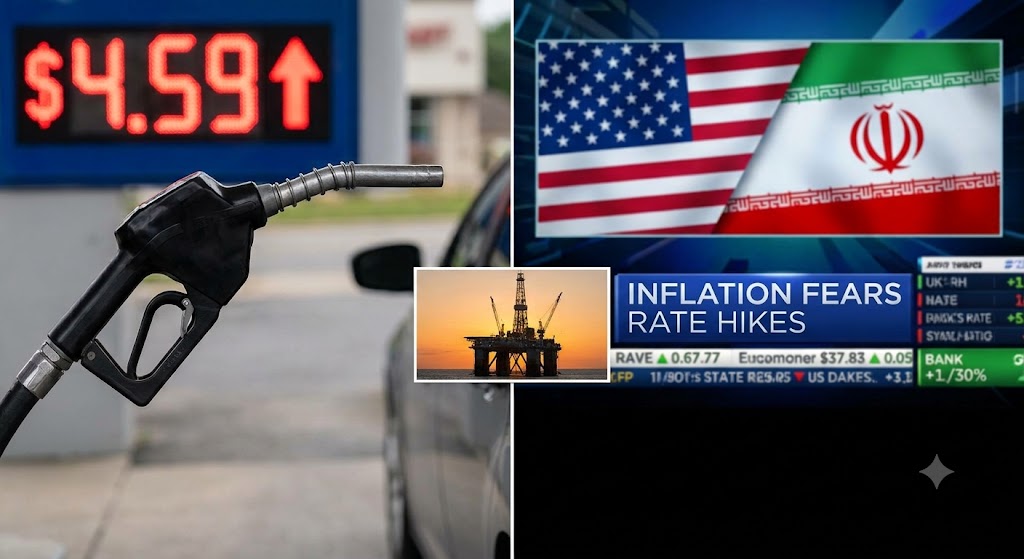
Following renewed military tensions between the United States and Iran, global oil and gas prices have experienced a surge, sparking concerns over energy supply stability and inflationary pressures. Brent crude oil saw a sharp increase, reaching its highest point in over a month before moderating. This fluctuation came after US President Donald Trump decided against implementing a proposed 20% fee on ships navigating the Strait of Hormuz, a crucial passage for global oil transportation.
The hike in energy prices has fueled speculation that central banks might consider raising interest rates later in the year to combat potential inflation. The Bank of England and the European Central Bank are among those that could take such measures. In response to these developments, bond yields have risen, and European stock markets initially fell, though they eventually rebounded as fears regarding the shipping levy subsided.
Analysts warn that ongoing tensions in the Middle East are likely to maintain volatility in energy markets, which could significantly impact global inflation and influence monetary policy decisions in the foreseeable future. The precarious situation underscores the interconnectedness of geopolitical events and economic stability, prompting close monitoring by financial institutions and policymakers worldwide.
The strategic Strait of Hormuz remains a focal point of geopolitical interest, with its significance as a major transit route for oil shipments underscoring the potential global economic repercussions of any disruptions. As a result, the international community remains vigilant, closely observing developments in the region as they unfold and considering the broader implications for energy security and economic stability.