
Engaging in regular physical activity might do more than just enhance your fitness levels—it could also reduce the risk of having a stroke and dying prematurely. Recent research delves into the extended health impacts of staying active, focusing on individuals with and without atrial fibrillation (AFib), a prevalent heart rhythm disorder characterized by an irregular heartbeat. Researchers monitored participants over approximately 13.5 years to explore the correlation between varying degrees of physical activity and the risks of stroke and overall mortality.
The study reveals that even minimal physical activity can yield significant health advantages. Participants who incorporated physical activity into their routines experienced up to a 19% reduction in stroke risk and up to a 22% decrease in mortality from any cause, compared to their less active counterparts. These findings underscore the importance of activity, particularly for individuals diagnosed with AFib.
For those living with atrial fibrillation, staying active was linked to an extended life expectancy. Depending on how active they were, individuals with AFib could expect to gain between 0.50 and 1.15 more years of life. Those with lower activity levels saw an increase of about 0.50 years, while moderate activity levels added around 0.66 years, and higher activity levels contributed up to 1.15 years. Given that AFib can heighten the risk of blood clots and stroke, maintaining cardiovascular health is crucial for people with this condition.
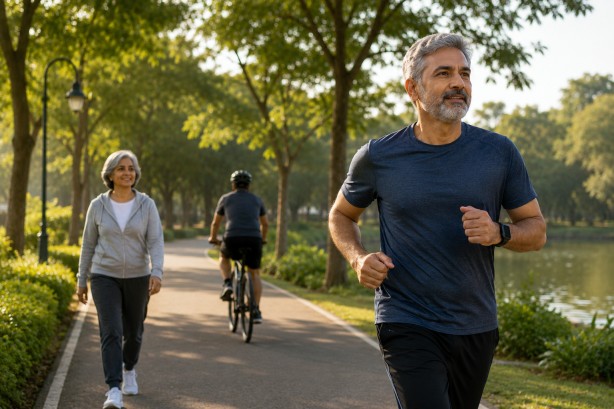
Importantly, the research emphasizes that physical activity doesn’t need to be intense to be beneficial. Activities such as walking, cycling, swimming, or even household chores can all help foster a more active lifestyle. The essential takeaway is to minimize prolonged periods of inactivity and gradually incorporate more movement into everyday life.
Overall, the study supports the notion that any amount of physical activity is better than none. Moreover, sustaining a higher level of activity can offer further benefits for long-term health and longevity. This reinforces the idea that integrating more movement into daily routines can be a practical step towards improving overall health.