
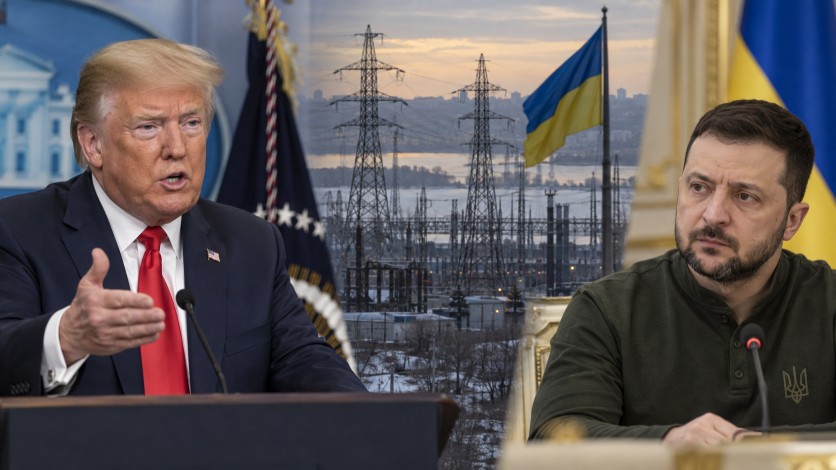
In a move aimed at de-escalating tensions, US President Donald Trump announced an energy ceasefire between Russia and Ukraine, asserting that both nations agreed to halt attacks on energy infrastructure. However, Ukrainian President Volodymyr Zelenskyy countered Trump’s claim, stating that he was not consulted and would only agree to the ceasefire if Russia ceased its attacks as well.
The announcement from Trump came via a social media post, lacking specifics on the implementation timeline or the conditions of the agreement. Zelenskyy expressed Ukraine’s willingness to comply if Russian President Vladimir Putin upheld the same terms. The backdrop to this development includes a contentious exchange between Washington and Kyiv over Ukraine’s long-range strikes on Russian oil refineries. Trump had urged Ukraine to cease these attacks, while Zelenskyy maintained that Russia must first stop targeting Ukrainian energy facilities. He also called for reciprocal commitments and security guarantees to ensure Russia’s compliance with any agreement.
Despite the ceasefire announcement, Zelenskyy reported ongoing Russian drone and airstrikes, targeting Ukrainian energy infrastructure, including a thermal power station in Kharkiv. Additionally, there have been repeated strikes on gas and oil facilities throughout Ukraine. This continued aggression has reinforced Kyiv’s demand for a ceasefire that is mutually respected by both parties.
Tensions further escalated following Trump’s proposal to ease sanctions on Russian diesel exports, citing potential benefits like lower fuel prices ahead of the US midterm elections. Zelenskyy criticized this decision, warning that it could bolster Russia’s financial capacity to continue the conflict. In response, Trump criticized Zelenskyy for being unwilling to make concessions and suggested that Ukraine might benefit from new leadership. Zelenskyy retorted that leadership choices are for the Ukrainian people to decide, indicating he would only consider elections if there was a comprehensive 60-day ceasefire with Russia.
The situation has sparked concern among Ukrainian officials and European allies regarding the US’s strategies for ending the war. There are reports suggesting the US might use military procurement arrangements and economic incentives to pressure Kyiv and Moscow into accepting a ceasefire. Ukraine maintains that its strikes on Russian oil facilities serve to undermine Moscow’s war financing, while Russia’s persistent attacks on Ukrainian cities and infrastructure solidify Kyiv’s insistence on an equally applied ceasefire.
In efforts to bolster support, Zelenskyy has engaged with European and international leaders, many of whom emphasize the importance of maintaining pressure on Russia and call for an immediate cessation of attacks on Ukrainian energy infrastructure. The proposed ceasefire’s future remains uncertain, as there is no clear confirmation of Russia’s assent to its terms. The ongoing dispute underscores the increasing tensions between Washington and Kyiv concerning the conditions necessary for ending the war and securing a lasting peace.