
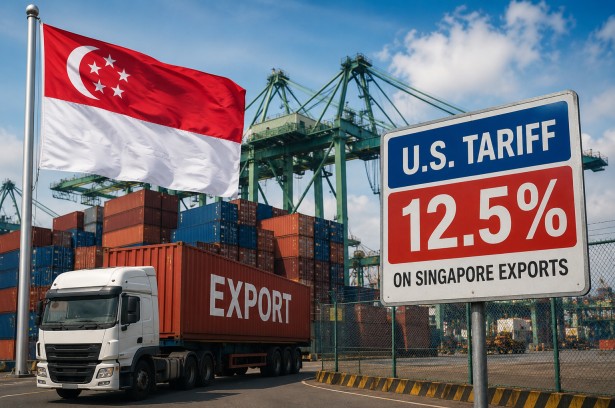
The United States has decided to impose a new tariff of 12.5% on around a third of Singapore’s exports, explaining that the move stems from concerns related to the enforcement of forced labor laws. This measure is part of a wider trade policy impacting numerous global economies. In response, Singapore has dismissed these allegations, emphasizing its robust legal framework designed to combat forced labor and asserting its zero-tolerance policy towards such practices.
The Ministry of Trade and Industry of Singapore has expressed intentions to engage in continuous dialogue with U.S. trade representatives to gain a clearer understanding of the tariff’s implementation process. Despite the new tariff, significant export categories like pharmaceuticals, semiconductors, certain electronics, aerospace products, and energy products, along with items already subjected to specific U.S. tariffs, will remain unaffected by this policy change.
Industry groups have expressed concern that this tariff might heighten uncertainty for manufacturers and exporters in Singapore. This anxiety is compounded by an ongoing U.S. investigation that might lead to further trade measures. Business leaders are advising companies to consider diversifying their export destinations and to bolster the resilience of their supply chains to mitigate potential impacts.
The introduction of this tariff highlights the complex dynamics of international trade relations, as Singapore seeks to navigate these challenges while maintaining its economic interests. The situation underscores the need for careful negotiation and strategic planning as businesses in the region assess their operational strategies amidst shifting trade policies.