
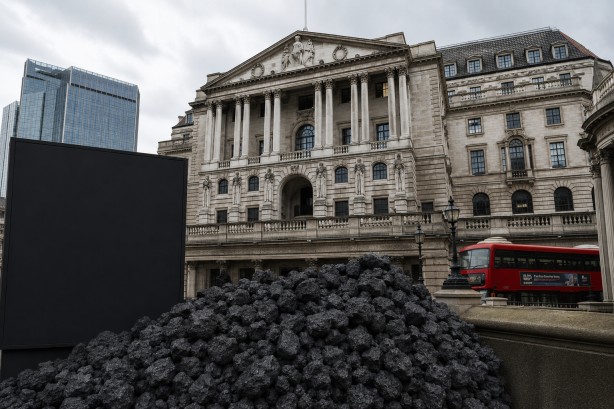
In a notable move addressing the financial risks posed by climate change, the Bank of England has decided that, starting in October, it will no longer accept bonds tied to thermal coal companies as collateral for its lending activities. This decision reflects a broader effort to mitigate the financial impacts associated with environmentally detrimental industries.
Thermal coal, a fossil fuel used extensively in generating electricity, is becoming increasingly scrutinized as the world shifts toward sustainable energy sources. The central bank’s policy change signifies a recognition of the growing financial vulnerabilities these companies face as more nations commit to transitioning to cleaner energy and achieving net-zero emissions targets. This shift could result in a devaluation of coal-related assets over time.
Traditionally, commercial banks, even the largest lenders, have relied on bonds as collateral to borrow from the central bank, a crucial process for supporting their operational liquidity and ensuring smooth transaction settlements. With this new measure, bonds associated with thermal coal will no longer be eligible, aligning the Bank of England’s collateral policy with its climate risk management strategy. Additionally, the policy includes provisions for imposing discounts on bonds from other sectors susceptible to similar climate risks, thereby safeguarding the central bank’s balance sheet from potential losses.
Environmental advocates have praised this initiative, viewing it as a clear message to financial markets that could prompt commercial banks to reevaluate and possibly reduce their exposure to industries with high pollution levels. This decision by the Bank of England is in line with a global trend, as over 150 major financial institutions have already set limitations on their business interactions with the thermal coal sector.
Experts emphasize that the success of this policy will largely depend on the methodologies used to assess climate risks and whether analogous actions are implemented for other environmentally harmful industries in the future. The decision represents a strategic step in aligning financial practices with environmental sustainability goals, potentially encouraging further systemic changes within the financial sector.