
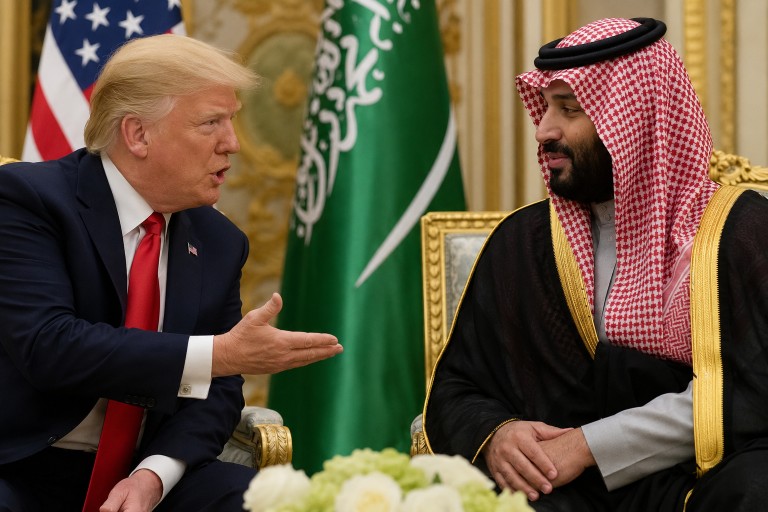
The United States and Saudi Arabia have entered into a significant civil nuclear cooperation agreement, a move poised to enhance both energy ties and strategic relations between the two nations. This landmark deal was formalized by US Energy Secretary Chris Wright and Saudi Energy Minister Prince Abdulaziz bin Salman. It encompasses a framework for peaceful nuclear collaboration as well as a bilateral safeguards agreement, reflecting a commitment to mutual energy interests.
Although the specifics of the agreement have yet to be fully disclosed, there is potential for Saudi Arabia to establish domestic uranium enrichment capacities in the future, pending requisite approvals and regulatory oversight. The agreement is slated for submission to the US Congress, where it will undergo a thorough review process. Legislators are expected to scrutinize the deal’s nonproliferation safeguards and its monitoring mechanisms to ensure compliance with international standards.
Discussions about a civil nuclear partnership between the US and Saudi Arabia have been ongoing for several years. Advocates of the agreement argue that it could serve as a catalyst for expanding American nuclear technology exports, generating employment opportunities, bolstering energy security, and fostering enduring strategic cooperation with Riyadh. These potential benefits underscore the multifaceted advantages that supporters believe the agreement could deliver.
Saudi Arabia has consistently expressed a desire to diversify its energy portfolio, aiming to incorporate nuclear power alongside its renewable energy initiatives. Historically, the kingdom has made it clear that if a nuclear technology agreement with the United States was unattainable, it would explore partnerships with other nations. This agreement thus represents a pivotal development in Saudi Arabia’s energy diversification strategy.
Despite the positive outlook, the agreement has not been without its critics. Some lawmakers and nonproliferation experts have voiced apprehensions regarding the prospect of Saudi Arabia pursuing uranium enrichment in the future and stress the importance of robust international oversight. The US administration, however, has assured that the agreement adheres to international nuclear safety and nonproliferation standards, thereby reinforcing American leadership in the global civilian nuclear energy arena.