
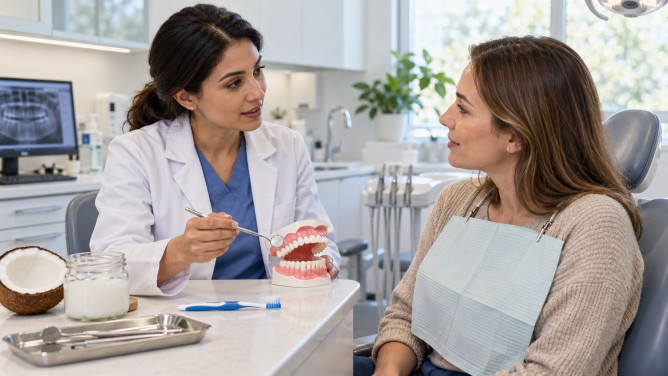
A bright smile is a common aspiration, but not all popular dental trends are safe or effective. As online promotions of charcoal toothpaste, coconut oil pulling, and other home remedies proliferate, it’s crucial to understand what genuinely benefits oral health. Misguided practices can lead to enamel damage, increased sensitivity, and other dental issues. Here, we debunk ten common dental myths to help maintain healthy teeth and gums.
Charcoal toothpaste is often touted as a natural way to whiten teeth, but evidence supporting its efficacy is limited. While it may remove some surface stains, its abrasive nature can wear down enamel, which doesn’t regenerate, potentially making teeth more sensitive and exposing the yellowish dentin beneath. Instead, using fluoride toothpaste and consulting a dentist for safe whitening options is advisable.
Coconut oil pulling, which involves swishing oil in the mouth, is another trend lacking substantial evidence for cavity prevention or teeth whitening. It cannot replace traditional plaque removal methods like brushing and flossing. The recommendation remains to brush with fluoride toothpaste twice daily and clean between teeth daily, with oil pulling as an optional addition rather than a substitute.
Homemade baking soda mixtures are also popular for stain removal, but these lack the fluoride found in commercially formulated toothpastes, which is vital for strengthening enamel and preventing decay. Adding acidic ingredients like lemon juice can exacerbate enamel erosion. A safer approach is using fluoride toothpaste designed for regular use and consulting a dentist for concerns about surface stains.
For those considering online LED whitening kits, it’s important to note that while hydrogen peroxide-based products can lighten teeth, their effectiveness and safety depend on formulation quality and correct use. LED lights don’t necessarily enhance whitening effects, and improper use can cause gum irritation and sensitivity. It’s best to seek advice from a dentist, especially for those with sensitive teeth or dental restorations.
Professional teeth cleaning can brighten your smile by removing plaque and tartar, yet it doesn’t alter the natural tooth color. Deeper discoloration might require alternative treatments based on its cause, such as aging or medication. Consulting a dentist can help determine the most suitable treatment for achieving desired results.
Misconceptions about oral hygiene extend to practices like rinsing immediately after brushing, which can wash away beneficial fluoride left by toothpaste. Instead, spitting out excess toothpaste without rinsing is recommended, and rinsing with water is beneficial after meals to dilute acids. Additionally, bleeding gums during brushing shouldn’t be ignored, as it may indicate gingivitis, an early form of gum disease. Gentle brushing with a soft-bristled toothbrush and seeking dental examination if bleeding persists is crucial.
By adhering to proven oral care habits—like using fluoride toothpaste, cleaning between teeth daily, avoiding tobacco, and scheduling regular dental check-ups—you can maintain a healthy mouth. Embracing evidence-based practices over trendy remedies ensures a brighter and healthier smile. Always consult a dental professional before trying new treatments.