
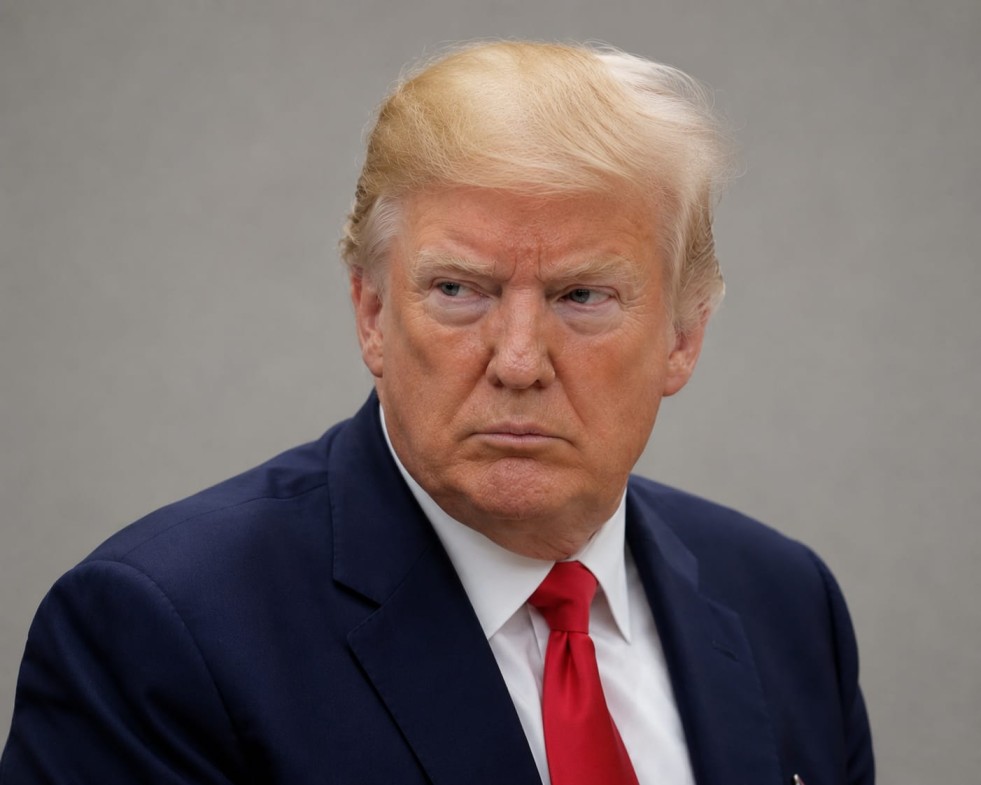
In a recent social media post, U.S. President Donald Trump expressed dissatisfaction with the current dynamics of the North Atlantic Treaty Organization, criticizing it as “one-sided” and lacking “reciprocal” support. This critique comes ahead of NATO’s upcoming summit in Ankara, where leaders are set to convene. Trump’s primary concern lies in the perceived imbalance of the defense responsibilities, as he argues that several NATO allies were not supportive of the United States during its conflict with Iran. He labeled the situation “ridiculous,” pointing out that Washington shoulders a disproportionate share of the alliance’s defense obligations.
This viewpoint is not new for Trump, who has consistently called for European NATO members to take on greater responsibility for their own defense. Under his administration, steps have already been taken to scale back specific U.S. defense commitments in Europe. This approach reflects his broader strategy of re-evaluating and adjusting international alliances and agreements to better serve American interests as he sees them.
Adding to the discourse, U.S. Secretary of State Marco Rubio acknowledged the existing tensions within NATO, confirming that the president is dissatisfied with how some alliance members have responded to U.S. military actions in the Middle East. Rubio indicated that this topic is poised to be a key point of discussion at the forthcoming summit, suggesting that NATO’s internal dynamics and cooperation strategies will be under scrutiny.
The summit in Ankara, scheduled for July 7–8, will gather leaders from NATO’s 32 member countries. The agenda will focus on defense cooperation, addressing security challenges, and outlining future commitments. As the alliance navigates these discussions, the meeting will be closely watched for how it addresses the concerns raised by the Trump administration and whether it leads to any significant shifts in NATO policies or commitments.